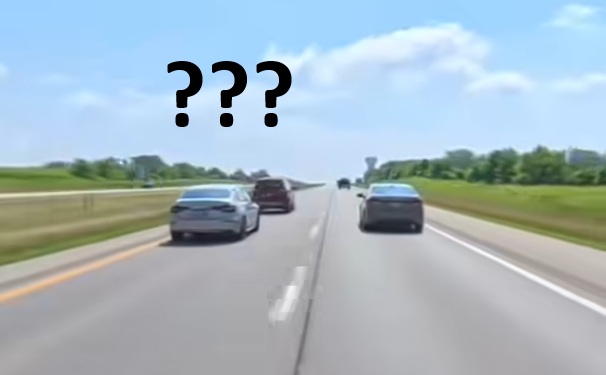
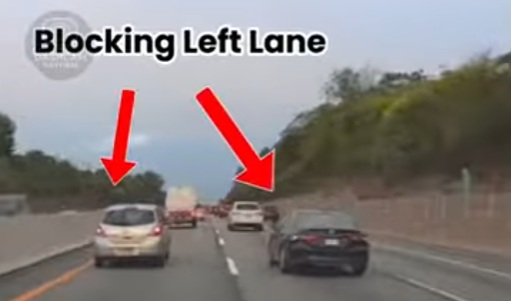
A frustrating phenomenon every driver in the U.S. knows all too well: two cars traveling side by side at the exact same speed, one in the slow lane and one in the fast lane. The result? A complete blockage of traffic flow and a lot of frayed nerves for drivers behind them.
What’s the Problem with This Behavior?
When a vehicle travels in the left lane (the passing lane) at the same speed as the vehicle in the right lane, it creates a situation where no driver can pass. This isn’t just annoying—it’s also dangerous and can lead to aggressive driving behaviors on the road.
Why Do Drivers Do This?
There are several possible psychological reasons:
Lack of situational awareness – Some drivers simply don’t notice they’re blocking traffic. They’re focused on their own driving and aren’t aware of their surroundings.
Sense of righteousness – Some drivers think they’re “enforcing the law” by driving at the speed limit in the fast lane, thereby “preventing” others from speeding.
Personal comfort – Sometimes drivers are simply comfortable in the left lane and don’t want to move right, even if it blocks traffic.
What’s the Correct Rule?
In the U.S., the left lane is designated for passing only. If you’re not passing—move right. It’s that simple and clear.
How Should You Drive?
- Always drive in the right lane unless you’re actively passing
- After passing, return right as soon as it’s safe to do so
- Watch your mirrors – if you see a line of cars behind you, that’s a sign you need to move right
- Remember: it’s not your job to enforce the speed limit
The Result of Proper Driving
When everyone respects this rule, traffic flows more smoothly, there’s less frustration on the road, and fewer risks. Proper lane discipline isn’t just courtesy—it’s part of safe and responsible driving.
Remember: If you’re not passing, you shouldn’t be in the left lane. It’s that simple.