We all think we’re good drivers, but sometimes we miss basic rules that can cause safety issues and create tension on the road. The video before us documents three different police stops that teach us an important—and surprising—lesson about proper driving.
What Exactly Happened in the Video?
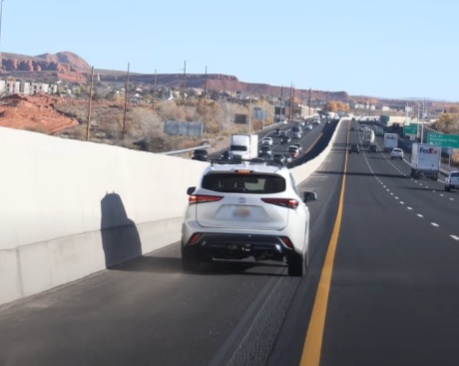
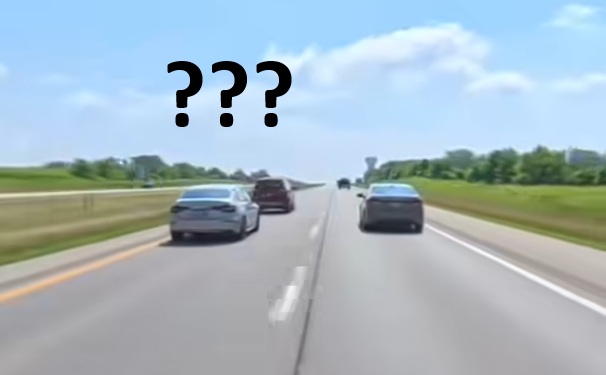
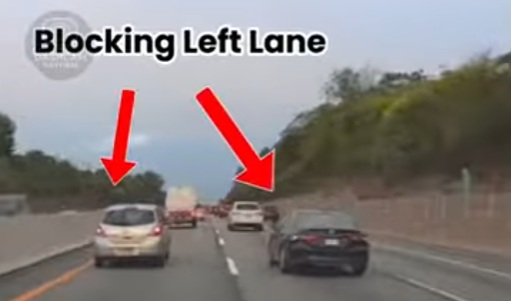
The officer in the video stopped three different drivers, all for the same violation: driving in the left lane below the speed limit without passing anyone. In one case, the driver was an elderly woman traveling to a doctor’s appointment, with no rush or hurry. She even stopped right next to a sign that read “Slow traffic keep right,” but claimed she had never heard of this rule despite many years of driving.
What’s particularly interesting is that the drivers didn’t do anything that seemed dangerous in the traditional sense—they weren’t speeding, didn’t cross a solid line, and weren’t texting while driving. They simply… sat in the left lane.
The Left Lane Is for Passing Only—It’s the Law
The officer explains clearly: the left lane is designated for passing only. It’s not a lane for regular driving, even if you’re traveling at the speed limit or even slightly above it. In the video, you can see that while the stopped drivers sat in the left lane, they had two or three additional lanes they could have used—but they chose to stay there.
The officer points to the explicit sign: “Slow traffic keep right.” This is an existing law, clearly marked on highways, but as the video demonstrates, many drivers are simply unaware of it.
Why Is This So Problematic?
The officer explains the problem in a very practical way: when a slow driver sits in the left lane, it causes road rage. “Impatient drivers will come up behind and it causes them to get road rage,” he explains. “So if people would move over and let the faster ones go by, even if they’re speeding, let them get caught later. But do your part and move over.”
This is an important point: the officer isn’t saying that those who want to drive fast are right, but rather that if you’re blocking traffic in the left lane, you’re creating a dangerous situation. Frustrated drivers do dangerous things—they pass on the right, tailgate, change lanes aggressively. All of this is avoided if we simply use the lanes correctly.
In the video, the officer describes how he and the police vehicle themselves passed the driver sitting in the left lane—this illustrates just how incorrect the driving was. If a police vehicle needs to pass you on the right because you’re occupying the passing lane, something here is wrong.
Another Mistake: Where to Pull Over?
An interesting additional point in the video is that one of the drivers pulled over to the left side of the road when the officer asked her to stop. The officer emphasizes: “Also never pull to the left. Always pull to the right. It’s safer and legally, okay?”
This makes sense—stopping on the left endangers you, the officer (or whoever is coming to you), and disrupts traffic in the fastest lane. Always cross safely to the right side when you need to stop.
The Big Lesson: Education, Not Punishment
What’s touching about the video is the officer’s educational approach. He’s not coming to punish or lecture, but to explain. In one of the cases, he only gives a warning and says: “It’s kind of an education thing. Just make sure to stay to the right.”
The elderly woman he stopped is particularly interesting. She had been driving for many years but had never heard of this rule. The officer concludes: “It’s a good education for everybody.” And he’s right—how many of us really know this rule? How many times have we sat in the left lane because it’s convenient, without understanding that we’re creating a problem?
So How Do You Drive Correctly?
The rules are simple:
If you’re not passing—drive on the right: This is the basic rule. The left lane is for passing only. Once you’ve finished passing, move back to the right.
Even if you’re driving at the speed limit: It doesn’t matter. If someone behind you wants to drive faster, let them pass. Don’t sit in the left lane just because you think you’re driving fast enough.
On a highway with multiple lanes: The officer explains to one of the drivers—”Make sure to stay in the second or the third or the second if there’s not a third if you’re not passing anybody.”
Always pull over to the right: If asked to stop, cross safely to the right side, no matter which lane you were driving in.
The Central Message
This video reminds us that good driving isn’t just about speed or seatbelts. It’s also about understanding how to use the road in a way that allows everyone to travel safely and efficiently. The left lane is a shared resource—a resource designated for a specific purpose: passing. When we occupy it for no reason, we cause frustration, dangerous situations, and road rage.
The beautiful thing about this educational approach is that it reminds us that most people aren’t trying to be bad drivers—they just don’t know. The elderly woman in the video wasn’t trying to do something dangerous; she simply didn’t know. Now she knows, and she’ll be a better driver because of it.
So next time you’re on the highway, remember: the left lane is for passing. Use it, pass, and move back to the right. It’s simple, it’s safe, and it makes the road a better place for everyone.